What Is Lossless Audio (and Why Your Headphones Matter)

If your streaming app has offered you a lossless toggle lately, you're not alone in flipping it on and wondering what changed. For years, lossless audio mattered mainly to audiophiles. Now the option sits one tap away in the music and podcast apps everyone already uses, though the switch only matters if the rest of your setup can carry what it unlocks. Lossless audio maintains the sound quality of what the artist originally recorded, from the low hum under a bass line to the last breath of a fadeout. How much of the original, authentic sound you hear comes down to the file, connection, and headphones carrying that level of detail to your ears.

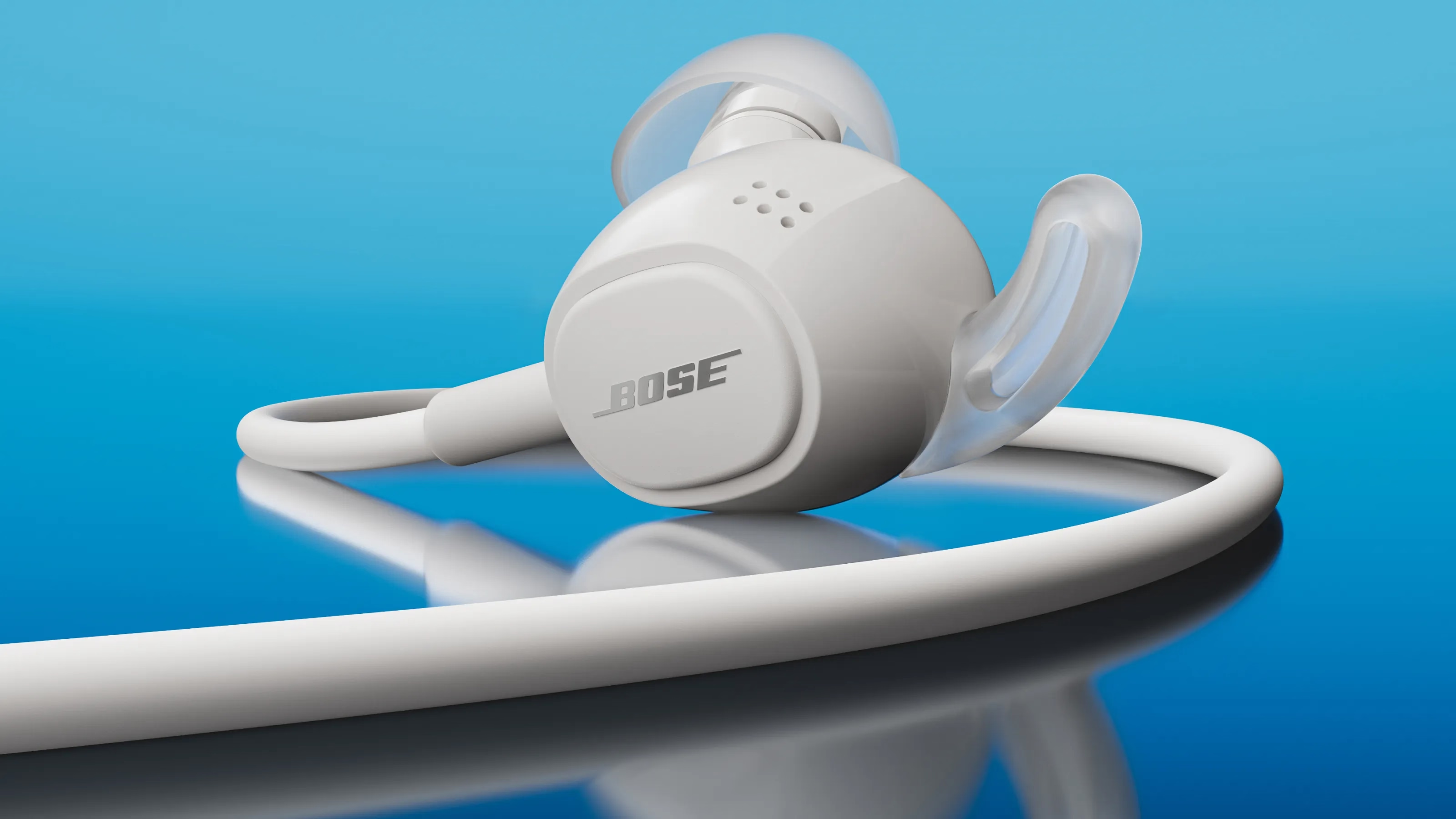
Close up of Bose Noise Cancelling Wired Earbuds in White Smoke.

Lossless Audio Explained

Lossless audio is sound digitized and transferred as an exact copy of the original recording. The opposite is compressed audio, which shrinks a file by permanently removing the details an algorithm judges least audible, with MP3 as the classic example. Smaller files made sense when storage and bandwidth were scarce because a song at a tenth of the size could fit on an early music player and stream over a slow connection. Once a file loses detail, no player or pair of headphones can restore it.

The common lossless formats are FLAC and ALAC, which shrink a file the way a zip folder does with everything intact when it unpacks. CD quality, 16-bit audio sampled at 44.1 kHz, is the usual reference point for full quality. The sample rate means the sound is captured 44,100 times each second, enough to cover everything human ears can hear, while the bit depth sets how finely each capture records the difference between quiet and loud. Lossless usually shows up beside hi-fi and hi-res in the same menus and reviews, though the three terms mean different things.

Lossless, hi-fi, or hi-res?

Lossless describes the file itself, an exact copy of the original recording. Hi-fi audio describes the playback, a system built to reproduce a recording true to the original performance. Hi-res describes files that go past CD quality, using 24-bit depth and higher sample rates, often 96 kHz or more. The bigger numbers give a recording finer steps between quiet and loud and more information captured each second, detail drawn from the studio master rather than added after the fact.

The difference matters when you choose what to play. A track can be lossless without being hi-res. Lossless tells you whether the file keeps all of its original data, while hi-res tells you how much detail was recorded in the first place. A CD-quality lossless track delivers everything the CD held, and a hi-res lossless track starts from a bigger master. Either way, the file sets the ceiling for what you can hear, while the equipment decides how close to that ceiling you get.

Black Bose Noise Canceling Wired Earbuds standing upright on a white table, close-up product view.

Where lossless audio lives

Lossless audio lives in streaming services, download stores, and the CD collection many listeners already own. Streaming is the easiest way for most people. Dedicated services like Tidal and Qobuz built their catalogs on lossless from the start, Apple Music and Amazon Music added it to their standard subscriptions several years ago, and Spotify introduced its own lossless setting most recently. Availability still depends on the service and sometimes the subscription tier, so check the settings before assuming the option is there.

Buying the music is the other route. Download stores sell albums as FLAC or ALAC files, and the CD collection in the closet has been lossless all along, with discs carrying full-quality audio decades before streaming offered it. Whichever source you choose, expect a lossless album to take several times the space of a standard copy. All that extra detail still has to travel from your phone to your headphones, and the connection between the two decides how much of it arrives.

Why Bluetooth® changes what you hear

Bluetooth technology was designed around convenience rather than capacity. The radio uses very little power, which lets a small battery last all day but limits how much data it can move each second. A CD-quality lossless stream needs several times more data than standard Bluetooth audio usually carries. To fit the music through, your phone compresses it using a codec, the set of rules a device follows to pack audio for transmission. SBC and AAC, the codecs most phones and headphones share, both permanently remove some detail in the process. Even when your music app plays a true lossless file, the version reaching your headphones is no longer an exact copy of the recording.

On phones and laptops with a USB-C port, switching to a USB cable provides lossless audio streaming without the Bluetooth compression that removes detail, so the file reaches your headphones just as your streaming service sent it. Hearing every detail takes a lossless source, a USB connection, and headphones or earbuds that support USB audio.

From file to your ears: how to listen to lossless audio
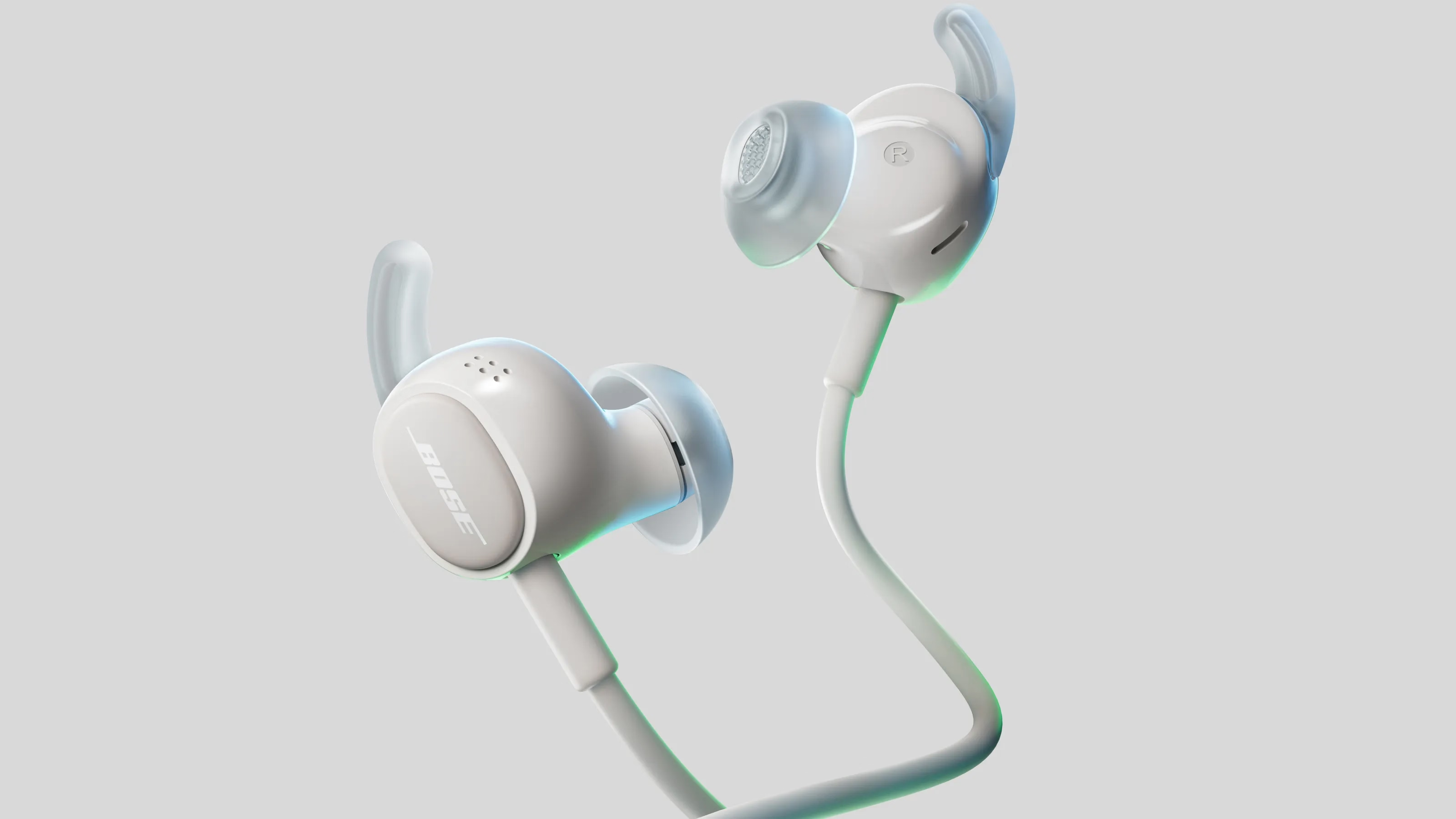
To start, turn on the lossless setting in your streaming app, or queue up a FLAC or ALAC file you own. Then plug headphones or earbuds that support USB audio into your phone or laptop with a USB-C cable and press play. Bose offers both, each connecting over USB-C for lossless listening.

Noise Cancelling Wired Earbuds plug straight into compatible USB-C phones, tablets, and laptops with no pairing needed, supporting lossless audio with playback at 24-bit/48 kHz. Our QuietControl Technology lowers the noise around you to keep you focused on your music, powered by the USB-C connection itself with no battery to recharge.

QuietComfort Ultra Headphones (2nd Gen) arrive ready to plug in, with a USB-C cable and an analog cable in the box. Plugged in, the pair receives lossless audio at 16-bit, 44.1 or 48 kHz, while Immersive Audio widens the soundstage and Cinema Mode creates theater-like sound for film and TV. QuietComfort Headphones (2nd Gen) handle the same wired step without the spatial features, also supporting lossless audio over USB in a refined design with the comfort the line is known for. If you want the recording opened up around you, the Ultra pair is the choice. If you want every detail delivered straight, the QuietComfort pair keeps it simple.

White Smoke Bose Noise Canceling Wired Earbuds in a close-up view, featuring soft silicone ear tips and ear hooks against a light gray background.

Is lossless audio worth it?

Lossless audio is worth it when the rest of the chain lets you hear it. The difference is small, the kind you hear in the tail of a piano note, the texture of a voice between words, or the quiet parts of a quiet song. It tends to disappear on a noisy commute, from a source file that was compressed to begin with, or through speakers that can't resolve the detail. Noise cancelling headphones help with the first problem, lowering the noise around you so the small details stay audible.

The most reliable answer comes from a test that takes five minutes. Pick one track you know well, ideally a recording with space in it, such as a stripped-back vocal or an acoustic track. Connect a wired pair, switch lossless on and off, and listen for what changes. If you tried the toggle before and heard no change, Bluetooth was probably the reason. Try it again with the cable plugged in.

Bring studio detail into every listen

Lossless audio comes down to a chain that works end to end, from the file that keeps every detail, to the connection that carries it, to the headphones that turn it back into sound. The file is a toggle away, the connection a cable away. The last link is the one we build. Explore our headphones and hear everything your music holds.

FAQs

What does lossless audio mean?

Lossless audio means sound is digitized and transferred as an exact copy of the original recording, keeping every detail from the file to playback. Formats not capable of lossless audio like MP3 shrink files by permanently removing detail. Common lossless formats include FLAC and ALAC, with CD quality, 16-bit at 44.1 kHz, as the standard reference.


Is lossless the same as hi-res audio?

Lossless and hi-res describe different things. Lossless means no data was lost along the way, while hi-res means the file goes beyond CD quality with 24-bit depth and higher sample rates. Hi-res files are usually lossless, though a lossless file at CD quality is not hi-res.


Can you hear lossless audio over Bluetooth?

Most Bluetooth connections can’t deliver fully lossless audio because codecs like SBC and AAC compress the stream to fit the connection’s bandwidth. A USB connection is the dependable way to hear a lossless file in full.


Do you need special headphones for lossless audio?

Any wired headphones can receive a lossless signal, though the quality of the headphones decides how much of that detail you actually hear. Our Noise Cancelling Wired Earbuds, QuietComfort Ultra Headphones (2nd Gen), and QuietComfort Headphones (2nd Gen) all support lossless audio over a USB connection.


Does lossless audio use more data?

Lossless audio uses several times the data of a standard-quality stream because the files keep every detail of the recording. A single album can run to hundreds of megabytes. Many listeners save lossless streaming for Wi-Fi® or download albums in advance.